Plastic contraction splits can happen throughout a piece or wall surface, but one place where they generally take place is at re-entrant edges. For instance, if one were to put concrete around a square column, you would certainly develop 4 re-entrant corners.
How long will concrete last?
Allow all of the water to disappear before you do anything else. This can take 20 minutes or 4 hours depending on the temperature, humidity and how hard the wind is blowing. After the bleed water is all gone, you can get out your steel finishing trowel and put on the final touches.
It is often difficult to establish exactly what caused a particular fracture. Nonetheless, appropriate site preparation and good concrete ending up techniques can go a long method in the direction of reducing the appearance of cracks as well as generating a more aesthetically pleasing job. Decrease is really common over trenches where energy lines and also plumbing pipelines are buried. Oftentimes, http://www.pearltrees.com/cillief1wz#item302008820 the energy trench is not compressed when it is refilled. The void produced by decrease can create a crack throughout the unsupported concrete piece (See Number 9) if concrete is placed atop an improperly compacted trench.
How long do concrete driveways last?
Silicone represents another popular material to use as a concrete caulk. It does not degrade as fast as the organic urethane caulks, and it remains flexible yet sturdy in its hold. One of the best uses for silicone caulk involves filling the gaps between concrete and other materials, such as brick, wood or metal.
It's available in concrete shade, which makes sure that filled out fractures blend in with the rest of the surface area. The color of the filler can stand out and look peculiar if you don't choose the right color to match with the concrete surface you want to repair.
Make sure to put on gloves since this product is extremely sticky and also needs to wear off. What you intend to watch for are splits that are wider than one inch and are uneven, meaning they're not situated in a control joint but rather in the aircraft of the driveway. These could show an underlying structural problem, specifically if the surface of the driveway is greater on one side of the split than the other.
- There are various applications of concrete that call for varying methods and also will certainly supply various levels of resilience.
- Concrete once it has matured comes to be absorbing, and also a permeating sealant gets drawn into the surface area to create an obstacle that maintains water out.
- Fracture control joints need to be positioned in any way re-entrant corners and slab infiltrations, and uniformly spaced throughout the remainder of the piece.
- This type of crack is normally caused by a hefty automobile driving along the side of the driveway and taxing the outside side, the weakest spot.
- Just because a split has formed in a concrete surface area, it doesn't need to look awful.
Is it normal for concrete driveways to crack?
The most common cause of cracks in driveways is improper installation, usually in the form of a poorly constructed base or subbase. When this loose material gets moist, the freeze-thaw cycles cause the material to expand and contract, putting uneven pressure on the driveway and causing the concrete or asphalt to crack.
This is frequently confirmed around piece penetrations such as pipelines, plumbing components, drains, as well as manhole spreadings. The concrete. can not shrink smaller than the things it is poured around, and also this creates sufficient stress and anxiety to split the concrete (See Number 2). The American Concrete Institute addresses this concern in ACI 302.1-04. "Even with the very best flooring designs as well as appropriate building, it is unrealistic to expect curl-free and crack-free floorings. It's very easy to tidy up any excess spot material on the concrete surface after application.
Our Insurance policy companions
Is driveway sealing worth it?
How long does each driveway surface last? Typically, concrete lasts up to 30 years, while asphalt lasts up to 20 years. However, installers say driveways may need to be replaced sooner or last longer depending on upkeep.
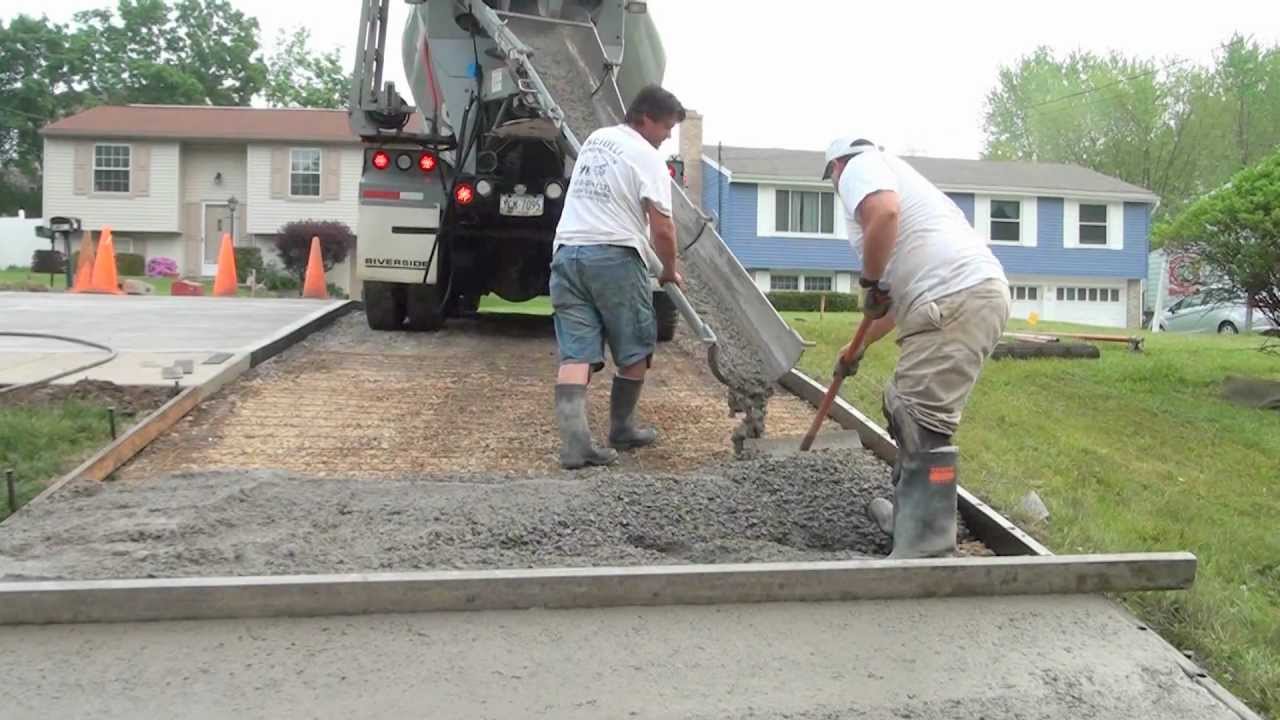
This gets covered with 2 to 3 inches of fresh, hot asphalt, which swiftly obtains compacted by a hefty rolling machine (what you may call a "steamroller"). New asphalt driveways generally can be driven on instantly after setup. By Check out this site comparison, poured concrete driveways must treat for seven days before they can be utilized. For outside deal with a 4-inch-thick piece, the size and size of the new concrete slab should not surpass 8 to 12 feet in any instructions without positioning of control joints.

What is the best concrete caulk?
There are a number of reasons why concrete cracks. The most common is because concrete shrinks as the excess water evaporates and it hardens. Unfortunately, too often contractors add too much water to the mix, which makes it easier to apply but also more vulnerable to cracking.